


I was in the middle of a long shift when one of the surgeons looked at me and asked, “Did you eat?”
I said I was fine. We could start the next case.
He didn’t believe me. “We can wait,” he said. “Go get something.”
Then, because he didn’t believe I’d actually take a break, he handed me a protein bar. Maybe it was a granola bar — I don’t remember exactly what it was anymore. But I remember how it felt. That small act of kindness, in the middle of a busy day, from someone who noticed I needed care.
I’m still grateful.
That’s what kindness does. It stays with you. Not because it was grand or expensive or complicated — but because someone saw you and chose to act.
Kindness Is the Master Key
Research consistently shows that acts of kindness trigger what’s known as the “helper’s high” — a release of endorphins, oxytocin, dopamine, and serotonin that reduces stress levels, lowers blood pressure, and lifts your mood. In fact, prosocial behaviors — actions that benefit others — engage the same reward circuitry in the brain that behavioral activation therapy deliberately targets to treat depression.
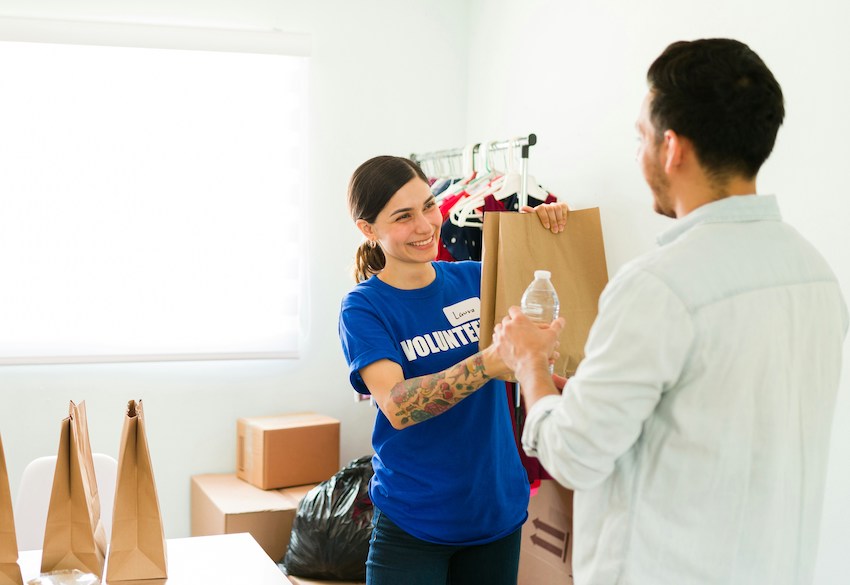
What makes kindness uniquely powerful is that it unlocks the full spectrum of positive emotions at once. When you help someone, you don’t just feel one thing — you feel joy from the act itself, connection from the relationship it builds, gratitude for what you have to give, hope that the world can be good, and calm from knowing you made a difference. Research shows this is true across cultures and throughout life — kindness may be the most universal language human beings share.
No other single action does this. Self-care might bring you peace. Spending time with loved ones creates connection. But acts of kindness open every door all at once.
And you don’t need money, time, or grand gestures to feel it. Research suggests that small, informal acts of kindness outperform larger, more formal ones when it comes to happiness. A kind word costs nothing. Holding the door takes three seconds. The mental health benefits compound with each small act — which means the smallest moments of kindness are still doing the full work.
Here are 30 simple ways to be kind:
Random Acts of Kindness Ideas
These are for strangers — the people whose names you’ll never know but whose day you can still change:
1. Notice When Someone Needs a Hand
If you’re in line, on a bus, or in a waiting room, look around. An older adult, a pregnant woman, someone with a disability, a parent with small children — someone near you might need what you have more than you do. Offer what you can.
The same instinct applies everywhere. Help someone who can’t reach the high shelf at the supermarket. Carry someone’s groceries to their car when their hands are clearly full. Lend a hand to a mother struggling with bags and kids at the same time. In winter, clear the snow from an elderly neighbor’s path before they have to navigate it themselves. You’ll know the moment when you see it — the question is just whether you act.
2. Carry a Little Extra
Keep a spare bottle of water or a small umbrella with you. When you see someone who needs it — caught in the rain, working outside in the heat, waiting at a bus stop on a sweltering day — hand it over. It costs little, and small habits like this are one of the easiest ways to nurture kindness as a daily practice. The person on the receiving end will remember it longer than you will.
3. Give a Genuine Compliment
Words land differently than we think. Negative words stick longer than positive ones — which is exactly why a genuine, specific compliment carries so much weight. Choose something you actually noticed and mean. “That color looks great on you” is fine. “The way you handled that situation earlier was really impressive” is better. Speak with a kind voice and make eye contact. One or two well-chosen words beat a flood of flattery every time.
4. Be Generous to Service Workers
Service workers — waiters, baristas, cashiers, customer service reps — are often overlooked and taken for granted. Be the person who counters this. Tip generously. Clean up after yourself. Say thank you and mean it. These are small gestures that cost almost nothing and can mean a lot — especially on a hard day.
5. Write a Positive Review
If a business, restaurant, or service made your day better, take five minutes to say so publicly. For small businesses, especially, a thoughtful review can make a real difference. Mention what specifically you appreciated — the name of someone who helped you, what made the experience stand out. It’s one of the easiest ways to do good from your couch.
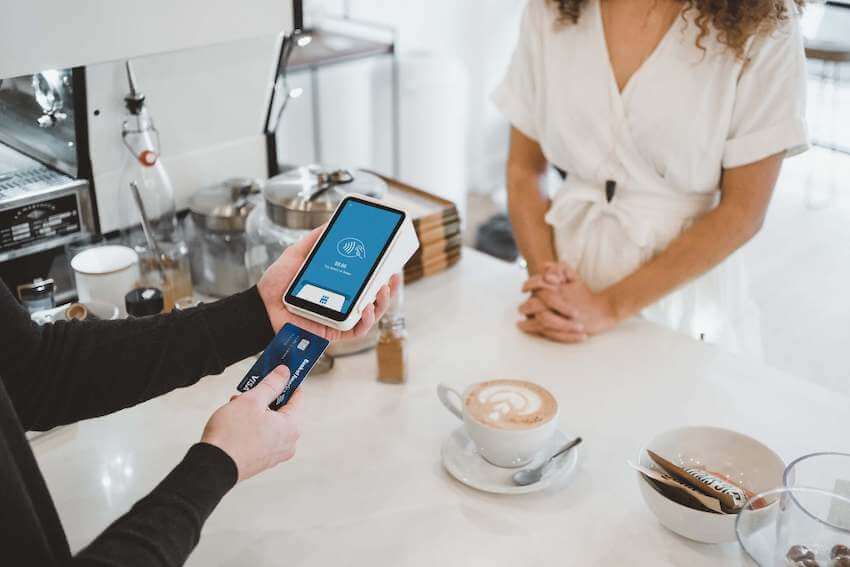
6. Pay for Someone’s Coffee
Tell the cashier you’d like to cover the next person’s order, or leave an encouraging note on a cup if you’re paying in advance. Keep it simple — let them know you just wanted to make their day a little better, with no expectation of anything in return. It costs a few dollars, takes about 30 seconds, and the person on the receiving end will probably think about it for the rest of the day.
7. Drop Off a Treat for People Who Show Up Every Day
Firefighters, teachers, school staff, nurses — these are people who give a lot and are often underappreciated. A box of donuts, a tray of cookies, or even just a greeting card saying thanks dropped off at a fire station or school front desk takes twenty minutes and lands more than you’d expect. You don’t need a reason or an occasion — being unexpectedly kind is the whole point.
8. Clean up the Neglected Areas of Your Neighborhood
Pick a street, a park, a stretch of sidewalk, and spend 10-15 minutes making it a little better. Bring a bag, bring gloves, and bring a friend if you can. You don’t need to organize an event or recruit volunteers. Just show up and do the small version. The neighborhood feels different when someone has clearly cared for it.
9. Donate to a Local Food Bank
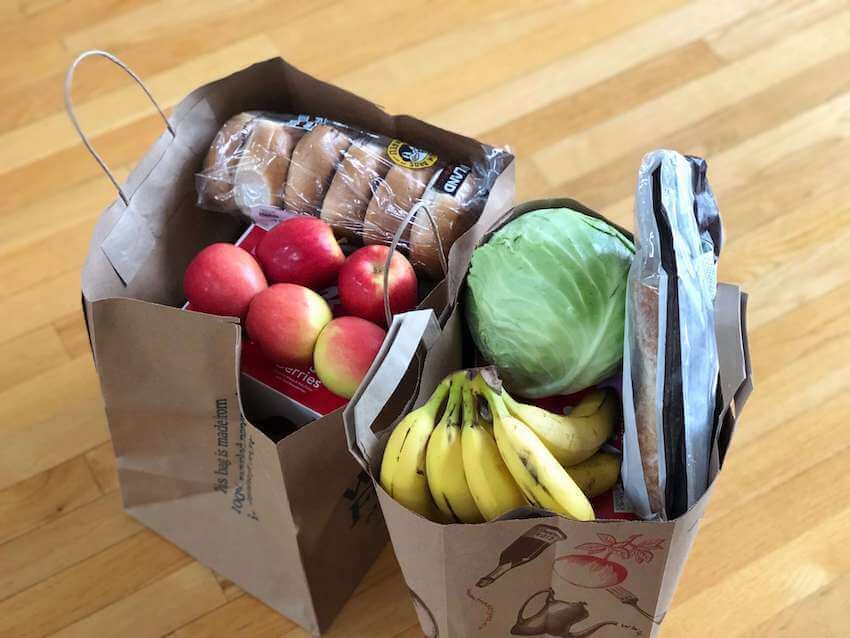
Food banks provide vital support to families struggling to make ends meet, and donations of any size make a difference. If you have non-perishable food at home that you won’t use, that’s a great place to start. If you’d rather give money or time, those are always welcome. Call ahead to find out what they need most — your donation will go further when it goes where it’s needed.
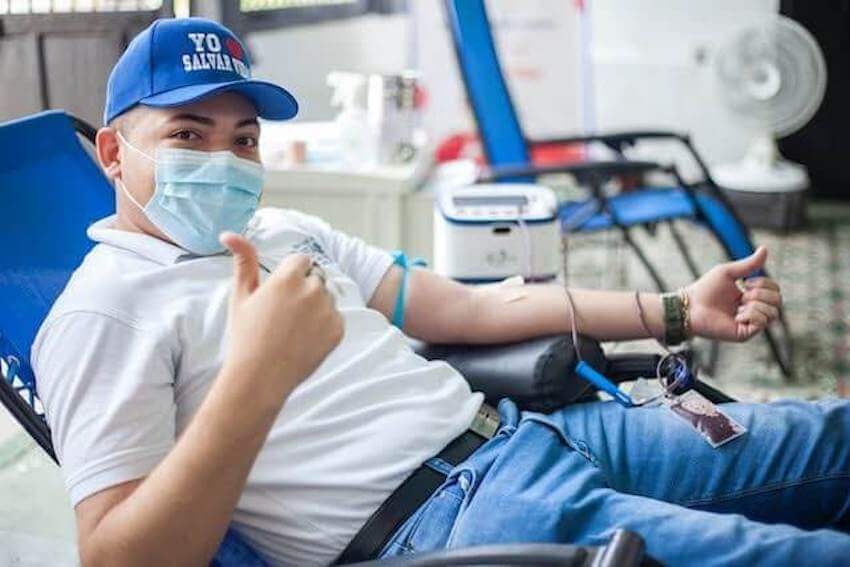
10. Donate Blood
Donating blood can help multiple people — someone in surgery, a cancer patient, a person in an emergency. If you’re eligible, it’s one of the most direct ways to help a stranger you’ll never meet. Eat and drink beforehand, bring a friend if it helps, and speak up if you’re not feeling well. You won’t know exactly who you helped. You’ll know you did.
11. Send a Care Package to a Deployed Service Member
If you’d like to show appreciation for someone serving far from home, a care package goes a long way. Non-perishable snacks, toiletries, a book or deck of cards, and a handwritten note — the specifics matter less than the fact that someone took the time. Organizations like Operation Gratitude can help connect your package with someone who needs it.
12. Volunteer at a Local Animal Shelter
Animal shelters always need hands — walking dogs, socializing cats, cleaning, or simply providing company for animals waiting for their forever home. Wear comfortable clothes, bring water, and be prepared to leave smelling like a dog. Worth it every time.
13. Volunteer at a Children’s Hospital
If you have time and the inclination, children’s hospitals are always in need of volunteers. Bring patience, bring curiosity, and follow the hospital’s guidelines carefully. The kids you meet will have questions — lots of them — and your willingness to answer, to sit with them, to simply be present matters more than you know. The ripples from an hour like that travel further than you’ll ever see.
14. Volunteer at a Local Shelter
Shelters run on the generosity of volunteers, and there’s usually something for everyone — from cooking and cleaning to simply spending time with residents. If you can’t give time, donations of money or supplies are always needed too. Show up with an open heart, respect people’s space, and don’t underestimate how much your presence alone can mean to someone going through a hard time.
15. Visit a Nursing Home or Assisted Living Facility
Many residents go days without visitors, and feeling lonely is one of the most significant threats to emotional well-being. Your presence — more than any gift you could bring — is what matters. Call ahead to find out visiting hours, and come ready to listen. Ask about their lives. Let them tell their stories. You might be surprised by what you learn, and they’ll carry the memory of your visit long after you’ve gone.
Relationship Maintenance Acts of Kindness
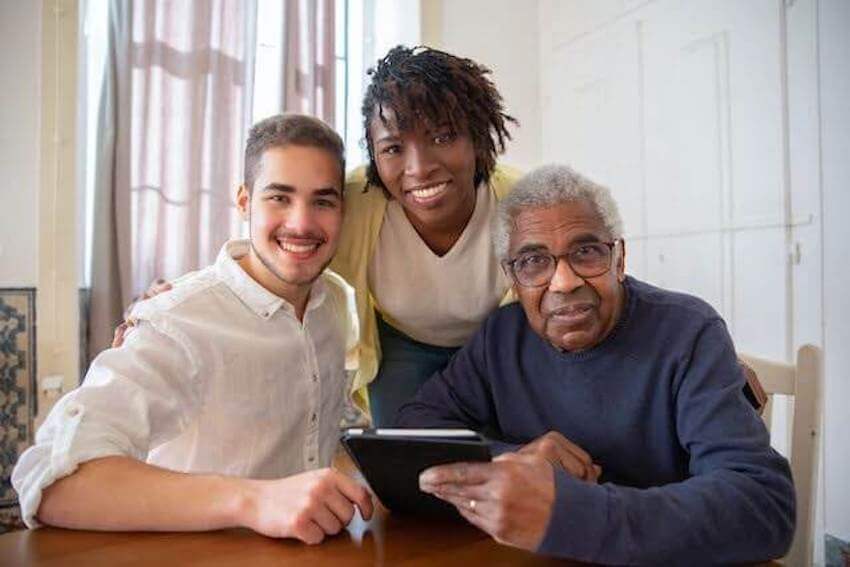
These are for the people already in your life — family life, friendships, neighbors, colleagues. For these people, it’s often the little things that mean the most.
16. Check In on Someone Unexpectedly
Not because it’s their birthday. Not because something bad happened. Just because they crossed your mind and you wanted them to know it. A text, a call, a note — something that says I was thinking about you today for no reason at all. Those are often the messages people remember longest because there was no occasion demanding them. Just you, remembering them and choosing to say so.
17. Send a Thoughtful Gift
A gift doesn’t need to be expensive to be meaningful — it needs to be specific. The book you thought of immediately when they mentioned something they were going through. Their favorite snack showing up on a random Tuesday. A care package for a friend who’s had a hard month. And don’t forget the new mom — she deserves her own gift too, not just a present for the baby.
What makes any gift land is the evidence that you were thinking about them when they weren’t there.
18. Write a Gratitude Letter
Not a text. An actual letter — handwritten or typed, sealed in an envelope, sent through the mail. An email works too.
Think of a teacher who believed in you before you believed in yourself. A mentor who opened a door. A friend who showed up during a hard chapter of your life. The people who made a real difference rarely hear about it. A letter that arrives unexpectedly, that says specifically what they did and what it meant — that’s the kind of thing people keep. Sometimes for the rest of their lives.
It takes twenty minutes. It costs a stamp. And it may be the most meaningful thing you do this week.
19. Do Something Nice for Your Neighbor
Say hello and mean it. Offer to help with yard work or snow removal. Bring over something homemade. Keep an eye on their house when they’re away. These small, consistent gestures are how neighbors become something more — and how a street becomes a community.

20. Invite Friends Over for Dinner
There’s something about a home-cooked meal and a few hours of unhurried company that no restaurant can replicate. You don’t need an occasion or an elaborate menu. Set the table, light a candle, and spend the evening asking questions and actively listening to the answers. The food is almost beside the point.
21. Get to Know Your Co-Workers
You spend more time with your co-workers than almost anyone else in your life. Ask about their weekend. Share something funny. Offer genuine feedback on their work. Pay attention to body language — someone who seems fine in a meeting might be carrying something they haven’t said out loud. The relationships you build at work — the real ones, not just the professional ones — make everything about the day better.
22. Stay Connected Across Generations
Make an effort to stay close to the people in your life who are older or younger than you — elderly relatives, younger cousins, the neighbors on either end of the age spectrum. Ask about their lives and actually listen. Share yours. Spend quality time together doing something they enjoy, not just something convenient. The distance between generations closes faster than you’d think when someone makes the first move, and what you’ll find on the other side is almost always worth it.

Everyday Kind Acts
These aren’t gestures. They’re just how some people move through the world — and you can be one of them.
23. Smile
Smiling is contagious in the most literal sense — people reflexively mirror the expressions of those around them. A genuine smile at a stranger, a cashier, or a person having a visibly hard day costs nothing and lands somewhere. Be the reason someone’s face changes for the better today.
24. Practice Good Manners
Please and thank you. Holding the door open. Letting someone merge. Not checking your phone when someone is talking to you. These things are small enough to feel trivial — and yet showing kindness consistently, over a lifetime, is how we build a kinder society.
25. Show Genuine Interest
When someone is talking to you, be present. Not waiting for your turn — present. Make eye contact. Ask follow-up questions. Let the conversation go somewhere unexpected. People can feel the difference between someone who is listening and someone who is waiting, and being truly listened to is rarer than it should be.
26. Be Supportive and Encouraging
When someone is struggling, a quiet word of encouragement can make a big difference. You don’t need a speech — “I know you’ve got this” or “I’m here if you need me” is enough.
Sometimes physical touch says it better than words — a hand on the shoulder, a hug when someone needs it.
Check on your happy friends too. You never know what someone is carrying quietly, and a simple “how are you really doing?” reminds them there’s someone paying attention.

27. Respect Others’ Wishes
Kindness isn’t always about doing something — sometimes it’s about not. Not pushing. Not advising when advice wasn’t asked for. Not trying to fix what someone has decided to live with. When you respect someone’s wishes, even when you’d choose differently, it shows that you value them and their autonomy. That’s one of the quieter and more meaningful forms of care.
28. Apologize
When you get something wrong, say so. Specifically, sincerely, without softening it into something that sounds more like a defense than an apology.
A genuine apology is one of the most disarming things one person can offer another — and the relationships that can hold that kind of honesty are the ones worth having.
29. Cultivate Gratitude
When you’re genuinely grateful for what you have, kindness comes more naturally. You notice more. You take less for granted. And when you express that gratitude out loud — to the people who deserve to hear it — you give them something they may not have known they needed.
Gratitude and kindness reinforce each other in a loop that’s worth starting. Together, they build a positive outlook that changes how you move through the world.
30. Be Kind to Yourself
It’s harder to be kind to others when you’re running on empty. Self-kindness builds self-esteem and resilience. Forgive yourself for your mistakes. Celebrate your small wins. Rest when you need to. The kindness you extend inward — the patience, the compassion, the grace — is the same kindness that eventually flows outward. Start there.
Go Be Kind
Kindness is not weakness. Choosing to be kind when the world gives you every reason not to? That takes more strength than its opposite ever will.
You don’t need to do all 30 of these. Start with one. The act that feels most natural to you. The person who could use it most. The moment when you notice someone needs what you can give.
Even with a busy schedule, kindness doesn’t require extra time — it’s about noticing the moments that are already there. The person behind you in line. The coworker who looks stressed. The family member who could use a call.
And here’s what I know to be true: the world doesn’t change all at once. It changes one small act at a time. Yours included.

Ready to make kindness a habit?
The Do Happy app is built around one simple idea: small, consistent actions create lasting change. Every task in the app is designed to help you practice kindness — kindness to yourself, kindness to the people you love, and kindness to the world around you. Acts of kindness to others earn the highest points because they’re the hardest to do consistently, and the most powerful when you do.
One act of kindness per week. That’s the whole ask. Enough to change how you feel about the world — and how the world feels about you.
The Do Happy app is coming soon. Join the waitlist and be the first to know when it’s ready.